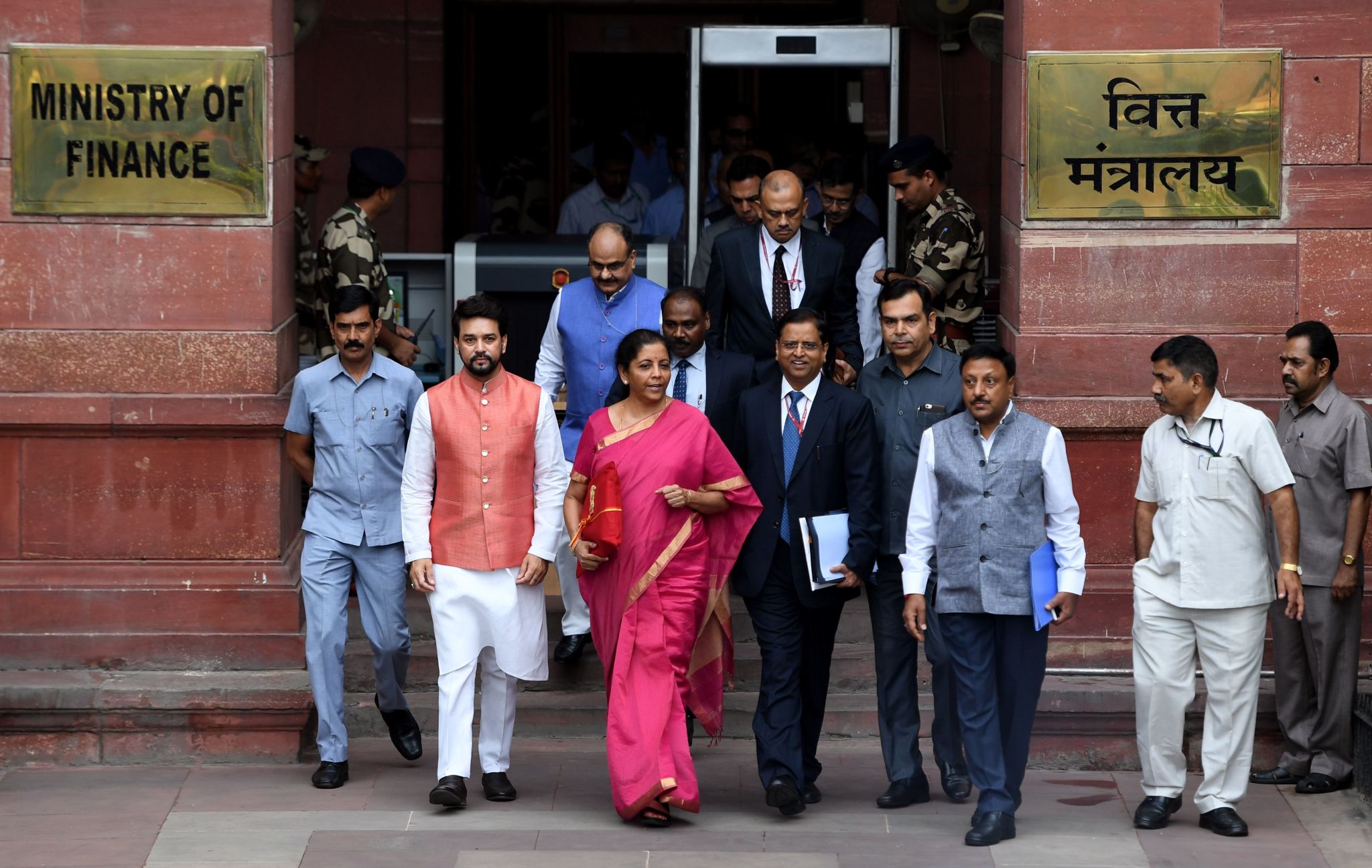
The union budget 2026 Highlights was unveiled amid close national attention, with finance minister Nirmala Sitharaman presenting her ninth consecutive budget. She presented the framework, the emphasis was clear: stability over surprise, simplification over expansion, and long-term confidence over short-term relief.
When the government moved to present the Union Budget 2026 Highlights, the focus stayed firmly on income tax simplification, controlled spending, and policy continuity aimed at sustainable economic growth. The budget speech and subsequent live updates confirmed that union budget 2026 is not about raising taxes, but about making the system easier to understand and comply with.
What Union Budget 2026 Means For Taxpayers
1. Concept definition + common misunderstanding
The union budget is the government’s annual financial plan covering taxation, expenditure, and borrowing. A common misunderstanding is that every Union Budget 2026 Highlights must bring income-tax slab cuts or new deductions. Budget 2026 instead focuses on structural clarity and fiscal discipline, not headline tax giveaways.
2. Why it matters (India & NRI context)
For Indian residents and NRIs with Indian income, predictability matters more than frequent changes. Stable income tax slabs, clearer filing rules, and lower procedural friction reduce disputes and refund delays—especially for salaried taxpayers, senior citizens, and cross-border earners.
3. How it works or applies
The union budget 2026-27 keeps tax rates unchanged, introduces a new Income Tax Act (effective next year), rationalises compliance timelines, and lowers select upfront tax collections. These are process-level changes rather than changes to tax liability.
4. Generalised scenario
A salaried employee, a retired senior citizen, and an NRI landlord may all pay a similar amount of tax as before, but face fewer confusing rules, clearer deadlines, and lower cash blockage during the year.
5. Risk, limit, or trade-off
The absence of slab changes means there is no immediate reduction in income-tax outgo. Benefits are indirect and realised through smoother compliance.
6. Table
| Aspect | Earlier Approach | Union Budget 2026 Approach |
|---|---|---|
| Income tax slabs | Periodic changes | No change |
| Focus | Rates & exemptions | Simplicity & certainty |
| Compliance | Complex | Easier, time-flexible |
| Taxpayer impact | Immediate | Structural, long-term |
Union Budget 2026 matters to taxpayers because it simplifies how taxes are understood and complied with, without increasing income-tax rates. The focus is on clarity, stable slabs, easier filings, and fiscal discipline, rather than new deductions or tax cuts.
Union Budget 2026 Live Updates: Key Announcements Explained

1. Concept definition + common misunderstanding
Live updates during the budget session capture policy direction but not always final rules. A common misunderstanding is treating every budget 2026 live headline as immediately actionable law.
2. Why it matters
Taxpayers often make premature decisions based on 2026 live coverage. Understanding which announcements are structural versus procedural prevents confusion.
3. How it works
The union budget announcements outline intent. Detailed rules follow through notifications and circulars, especially for income tax and compliance provisions.
4. Generalised scenario
A taxpayer reading budget 2026 live updates may assume immediate changes to filing rules, but these usually apply from the notified assessment year.
5. Risk, limit, or trade-off
Over-reliance on live headlines without context can lead to misinterpretation.
6. Table (exactly one)
| Area | Budget 2026 Live Signal | Actual Impact |
|---|---|---|
| Tax slabs | No change | Immediate clarity |
| Filing rules | Simplified | Applies prospectively |
| Compliance | Eased | Subject to rules |
Union Budget 2026 live updates highlight policy intent, not final rules.
Alternative phrasings:
- Announcements signal the general direction, but exact implementation relies on follow-up notifications, especially for income-tax processes.
- While announcements outline the direction, specific applicability will depend on subsequent communications, notably for income tax procedures.
Key Points from Finance Minister Nirmala Sitharaman’s Budget Address

1. Concept definition + common misunderstanding
The budget speech sets priorities and context. A misconception is that it lists every operational detail.
2. Why it matters
The speech reflects how fm sitharaman balances growth, taxation, and fiscal responsibility—key for investor and taxpayer confidence.
3. How it applies
In her address, finance minister nirmala sitharaman reiterated the importance of stable taxation, simpler laws, and controlled deficits.
4. Generalised scenario
A taxpayer listening to the speech hears reassurance on stability rather than promises of tax cuts.
5. Risk, limit, or trade-off
Speech intent must still translate into workable rules.
6. Table
| Theme | Emphasis in Speech |
|---|---|
| Income tax | Stability |
| Spending | Targeted |
| Policy | Long-term |
The budget speech in Union Budget 2026 focused on certainty, compliance ease, and fiscal discipline rather than tax reductions. It signals continuity and predictability for taxpayers.
Fiscal Deficit, Capital Expenditure And Economic Growth
1. Concept definition + common misunderstanding
The fiscal deficit measures government borrowing. A common misunderstanding is that higher spending always worsens it.
2. Why it matters
Taxpayers are affected indirectly through inflation, interest rates, and growth prospects.
3. How it works
The union budget 2026 increases capital expenditure while reaffirming a commitment to manage the fiscal deficit responsibly.
4. Generalised scenario
Infrastructure spending creates jobs and income, which supports household finances over time.
5. Risk, limit, or trade-off
Returns from public spending depend on execution quality.
6. Table
| Item | Budget 2026 Direction |
|---|---|
| Capital expenditure | Increased |
| Fiscal deficit | Controlled |
| Growth impact | Gradual |
Union Budget 2026 balances higher capital expenditure with fiscal discipline. This approach aims to support economic growth while keeping borrowing within manageable limits.
Income Tax In Union Budget 2026: Slabs, Rebates, And What Stays The Same

1. Concept definition + common misunderstanding
Income tax slabs determine how taxable income is progressively charged. A common misunderstanding during every union budget is that unchanged slabs mean “no action” for taxpayers. In union budget 2026, stability itself is the policy choice.
2. Why it matters (India & NRI context)
For residents and NRIs with Indian income, unchanged slabs reduce uncertainty in payroll, advance tax, and cross-border compliance. Stability in income tax rules helps households plan without mid-year recalculations.
3. How it works or applies
The union budget 2026-27 keeps both regime structures as notified earlier. Rebates and thresholds continue as applicable under the chosen regime. This decision was reiterated in budget 2026 live coverage and the budget speech.
4. Generalised scenario
A salaried employee earning a steady income continues with the same slab logic as last year, without changes to rate bands or rebate mechanics.
5. Risk, limit, or trade-off
While predictability improves, there is no immediate reduction in tax outgo from slab changes.
6. Table (exactly one)
| Element | Position Before | Union Budget 2026 |
|---|---|---|
| Slab rates | Defined | Unchanged |
| Rebate logic | Existing | Continues |
| Regime choice | Allowed | Continues |
Union Budget 2026 does not change income-tax slabs or rebate structures. The approach prioritises certainty and administrative ease over rate revisions, benefiting residents and NRIs who value predictable compliance.
Key Reliefs Announced In Union Budget 2026
1. Concept definition + common misunderstanding
Reliefs are targeted measures to reduce hardship or friction. A common misunderstanding is that every relief applies universally; most are condition-specific.
2. Why it matters
Targeted reliefs address real pain points—cash blockage on foreign spending, taxation of compensation interest, and compliance thresholds—without widening the tax base.
3. How it works or applies
As per live updates and 2026 live reporting, the union budget lowers certain TCS rates, exempts specific interest income, and adjusts thresholds through announcement sequences.
4. Generalised scenario
A family remitting funds for overseas education experiences lower upfront tax collection during the year.
5. Risk, limit, or trade-off
Reliefs are narrowly defined; incorrect application can still lead to mismatches.
6. Table (exactly one)
| Relief Area | Earlier | Union Budget 2026 |
|---|---|---|
| LRS TCS | Higher | Lower (2%) |
| MACT interest | Taxable | Exempt (individuals) |
| Thresholds | Lower | Increased |
Union Budget 2026 introduces selective reliefs focused on cash-flow ease and hardship reduction. These include lower TCS on foreign spending and exemption for MACT interest, without changing tax rates.
ITR Filing Deadlines, Revised Returns, And Refunds

1. Concept definition + common misunderstanding
ITR timelines govern filing and correction windows. A common misunderstanding is that missing a deadline permanently forfeits refunds.
2. Why it matters
Extended windows reduce disputes for taxpayers with multiple income streams or foreign income—common among NRIs.
3. How it works or applies
The union budget 2026 introduces staggered due dates and extends the revised-return window to 31 March of the following year, as clarified after the announcement.
4. Generalised scenario
A taxpayer discovers a reporting omission months later and corrects it within the extended window.
5. Risk, limit, or trade-off
Corrections may still involve fees and do not waive tax dues.
6. Table
| Filing Item | Earlier | Union Budget 2026 |
|---|---|---|
| ITR-1/2 due date | 31 July | 31 July |
| Non-audit entities | 31 July | 31 August |
| Revised return | 31 Dec | 31 March |
| Late refunds | Restricted | Allowed (conditions) |
Union Budget 2026 makes return filing more forgiving by extending correction timelines and easing refund claims in specified cases. The change improves compliance without diluting accountability.
TDS, TCS, And Compliance Changes To Know
1. Concept definition + common misunderstanding
TDS/TCS are advance collection mechanisms. A common misunderstanding is that they increase tax liability; they mainly affect timing and cash flow.
2. Why it matters
High upfront collections—especially on foreign spending—created liquidity stress. Rationalisation improves experience while preserving collections.
3. How it works or applies
Per budget 2026 live coverage, the union budget lowers LRS TCS to 2%, clarifies contractor-related TDS treatment, and simplifies disclosures.
4. Generalised scenario
A professional hiring manpower faces clearer TDS classification, reducing disputes.
5. Risk, limit, or trade-off
Misclassification can still attract interest and penalties.
6. Table
| Compliance Area | Earlier | Union Budget 2026 |
|---|---|---|
| LRS TCS | Higher | 2% |
| Manpower TDS | Ambiguous | Clarified |
| Forms | Complex | Simplified |
Union Budget 2026 rationalises TDS and TCS to reduce cash-flow stress and ambiguity. Lower rates and clearer classifications ease compliance while maintaining advance tax collection.
Special Focus: Senior Citizens, Renters, And NRI Taxpayers
1. Concept definition + common misunderstanding
This focus addresses groups with higher compliance friction. A misconception is that reliefs here are blanket; most depend on eligibility.
2. Why it matters
Senior citizens rely on interest income, renters face TDS obligations, and NRIs manage cross-border rules—small changes have outsized impact.
3. How it works or applies
The union budget 2026-27 raises interest-income deduction limits for seniors, increases rent TDS thresholds, and simplifies certain NRI disclosures, per announcement notes.
4. Generalised scenario
A tenant paying moderate rent may no longer need to deduct TDS due to a higher threshold.
5. Risk, limit, or trade-off
NRIs must still comply with FEMA and DTAA provisions.
6. Table
| Group | Change | Effect |
|---|---|---|
| Senior citizens | Higher interest deduction | Lower taxable income |
| Renters | Higher TDS threshold | Less compliance |
| NRIs | Clearer disclosures | Fewer errors |
Union Budget 2026 provides targeted relief for senior citizens, renters, and NRIs through higher thresholds and clearer rules. These measures reduce compliance burden without altering core tax liabilities.
Indirect Effects For Taxpayers – Markets, Jobs, And Savings
1. Concept definition + common misunderstanding
Indirect effects are outcomes of budget choices that do not change personal tax rates but influence employment, incomes, prices, and savings. A common misunderstanding is that these measures do not affect individual taxpayers.
2. Why it matters (India & NRI context)
For residents and NRIs with Indian exposure, decisions on spending, markets, and borrowing shape job creation, business confidence, and returns on long-term savings. These factors influence household finances even when income tax rates stay the same.
3. How it works or applies
In the union budget, the government emphasised higher public investment, calibrated market taxes, and policy continuity. These measures are intended to support demand and productivity while preserving fiscal discipline.
4. Generalised scenario
A taxpayer may not directly benefit from a new highway project, but improved logistics can lower business costs, support employment, and stabilise income prospects over time.
5. Risk, limit, or trade-off
Benefits from public spending are gradual and depend on execution quality. Market-related taxes may affect short-term trading behaviour.
6. Table
| Area | Budget Direction | Indirect Effect |
|---|---|---|
| Infrastructure | Higher spending | Jobs, productivity |
| Markets | Calibrated taxes | Stability |
| Borrowing | Managed | Inflation control |
Indirect measures in Union Budget 2026 affect taxpayers through employment, market stability, and long-term income growth. While not visible on a tax return, these choices shape the economic environment in which households earn and save.
Capital Expenditure, Fiscal Deficit, And Policy Balance
1. Concept definition + common misunderstanding
Capital expenditure refers to government spending on assets like roads, railways, and infrastructure. A common misunderstanding is that higher spending automatically worsens the fiscal deficit.
2. Why it matters
Taxpayers ultimately bear the cost of excessive borrowing through inflation or higher interest rates. Balanced spending supports growth without destabilising finances.
3. How it works or applies
The union budget 2026-27 announces capital expenditure exceeding ₹12 lakh crore while reiterating commitment to manage the fiscal deficit over the medium term.
4. Generalised scenario
Infrastructure investment supports employment and private investment, which strengthens household income prospects over time.
5. Risk, limit, or trade-off
Returns depend on timely execution; borrowing levels must remain sustainable.
6. Table
| Metric | Budget 2026 Stance |
|---|---|
| Capital expenditure | Elevated |
| Fiscal deficit | Controlled path |
| Growth outlook | Medium-term |
Union Budget 2026 balances higher capital expenditure with a commitment to fiscal discipline. The aim is to support growth while keeping borrowing manageable, which indirectly benefits taxpayers through economic stability.
Long-Term Direction: Make in India And The 2047 Vision
1. Concept definition + common misunderstanding
Long-term policy direction reflects strategic priorities beyond a single year. A misconception is that such references have immediate tax impact.
2. Why it matters
Stable long-term signals influence investment, job creation, and income security—key concerns for taxpayers.
3. How it works or applies
The union budget aligns reforms with Make in India and references continuity of incentives and policy support often described as a tax holiday till 2047 for specific strategic sectors, subject to conditions and future rules.
4. Generalised scenario
A manufacturing unit considers expansion based on policy stability rather than short-term tax incentives.
5. Risk, limit, or trade-off
Long-term visions require consistent implementation across years.
6. Table (exactly one)
| Theme | Policy Signal |
|---|---|
| Manufacturing | Make in India |
| Investment | Stability |
| Horizon | Up to 2047 |
Union Budget 2026 reinforces a long-term growth vision aligned with Make in India and policy continuity up to 2047. These signals aim to support investment and employment rather than deliver immediate tax changes.
FAQ – Union Budget 2026 Highlights For Taxpayers
Did the union budget change income tax slabs in 2026?
No. The union budget 2026 keeps income tax slabs unchanged for individuals. This applies to residents and NRIs and prioritises predictability over rate changes.
What were the key announcements for taxpayers in budget 2026 live coverage?
The key announcements include stable tax slabs, a new Income Tax Act effective next year, lower TCS on certain foreign spending, extended return-correction timelines, and higher thresholds for specific cases.
How does the new Income Tax Act affect salaried taxpayers?
It simplifies structure and language and introduces a single tax year. It does not change tax rates. The impact is procedural clarity rather than altered tax liability.
What did the budget speech say about fiscal deficit and spending?
The budget speech emphasised higher productive spending alongside a commitment to manage the fiscal deficit, reflecting a balance between growth and stability.
Does union budget 2026 offer immediate tax cuts?
No. The focus is on compliance ease, structural reform, and long-term confidence rather than immediate tax reductions.